About Kelly Duignan

Kelly Duignan (pronounced "Dag-nan") holds a Bachelor's degree in Chemical Engineering from The University of Michigan and is Nationally Board Certified in Chinese Medicine and Acupuncture. Prior to completing her Masters degree in Chinese Medicine, Kelly spent three years as a biochemical research analyst yielding two published articles in The Biophysical Journal pertaining to intracellular energy transfer and the physiology of muscular contraction. Her work in the field of biomedical research has infused her Acupuncture practice with a unique scientific perspective of the mechanisms governing Chinese Medicine.

Ms. Duignan is the owner and founder of WITHIN, Traditional Chinese Medicine; our 20+ year-old private practice located in Midtown, Manhattan. She completed her Master's degree in Acupuncture & Oriental Medicine (a 4 year program encompassing Acupuncture & Traditional Oriental Medicine, Western Medicine, Herbology and Nutrition) at The Emperor's College of Traditional Oriental Medicine in Santa Monica, California and The East-West College of Natural Medicine in Sarasota, Florida where she graduated in 2003 with high honors.

Kelly draws from the underlying principles of engineering and biochemistry to guide her practice of Acupuncture; overlaying the analytical framework inherent to these sciences upon the Chinese Medicine paradigm to precipitate an uncommon system of treatment.

Kelly Duignan

Published Research

Kelly Duignan has coauthored and published the following articles in The Biophysical Journal on the subject of intracellular energy transfer and the mechanism of muscular contraction. This research is notably synergistic with concurrent research of the Chinese Medical system including the structure and function of Meridian pathways.

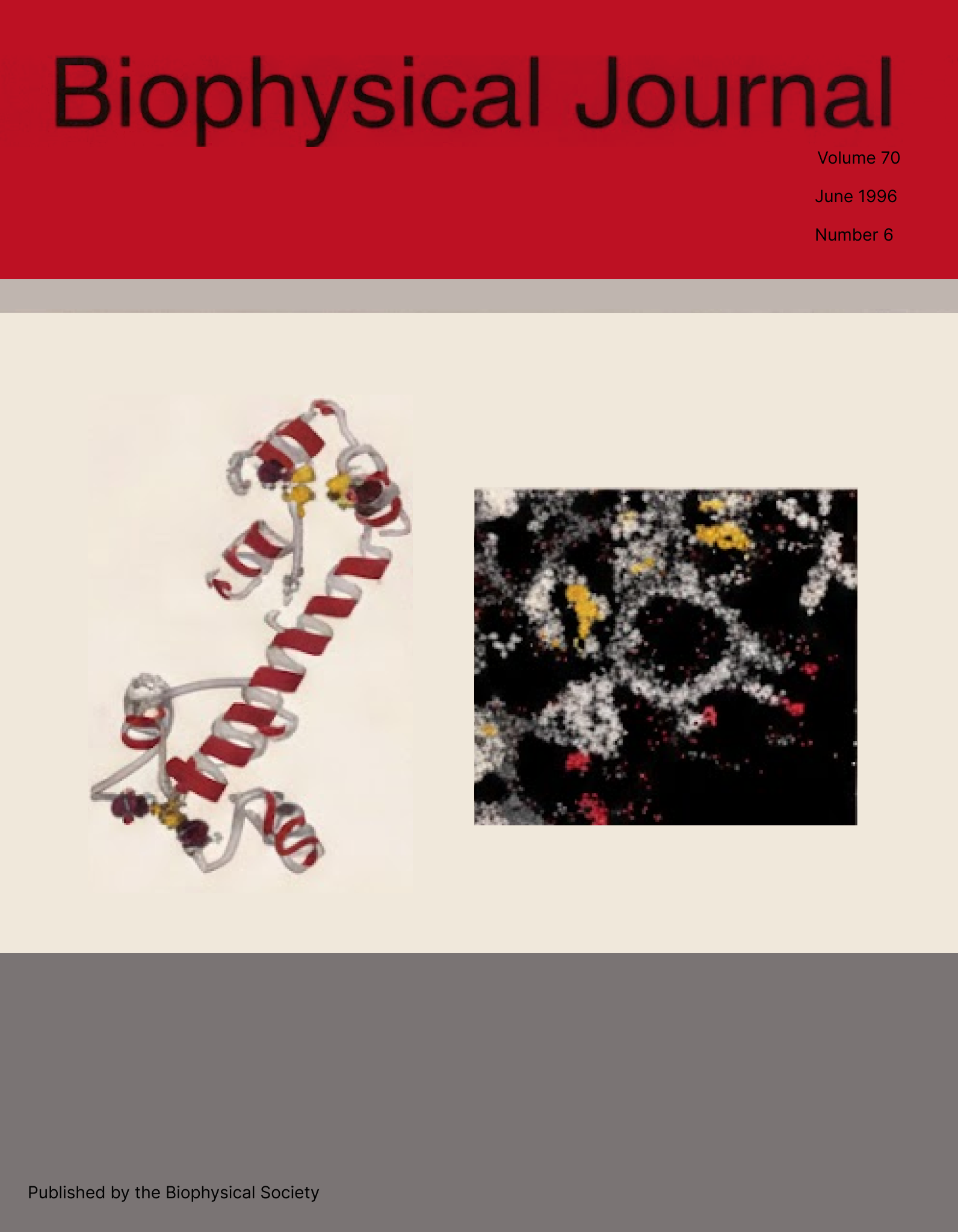
Osmotic Pressure Probe of Actin-Myosin Hydration Changes During ATP Hydrolysis The Biophysical Journal — Volume 70, June 1996

This study examined how water molecules surrounding actin and myosin proteins shift during ATP hydrolysis — the chemical reaction that powers muscle contraction. By measuring osmotic pressure changes, the research revealed how hydration plays a critical role in the energy transfer process within muscle cells.

Reversible Inactivation of Myosin Subfragment 1 Activity by Mechanical Immobilization The Biophysical Journal — Volume 74, March 1998

This research demonstrated that physically immobilizing a fragment of the myosin motor protein reversibly shuts down its enzymatic activity. The finding showed that mechanical constraint alone — without chemical interference — can switch off cellular energy processes, linking physical structure directly to biochemical function.

As an accomplished artist, Kelly's work is comprised of visual, audio & tutorial pieces designed to educate her patients on the complex principles behind Chinese Medicine, and to layer her treatment sessions with ingenuity and imagination.


Return to WithinTCM